
A Complete Guide for Lash Artists
Understanding the difference between Classic, Volume, and Mega Volume lashes isn’t just about the final look — it’s about diameter choice, weight control, fan structure, and long-term natural lash health.
This guide breaks each method down from a technical lash artist perspective, helping you make safer decisions, refine your sets, and deliver consistent, high-quality results across all lash styles.
Classic Lash Extensions (1:1 Method)

Technique Overview
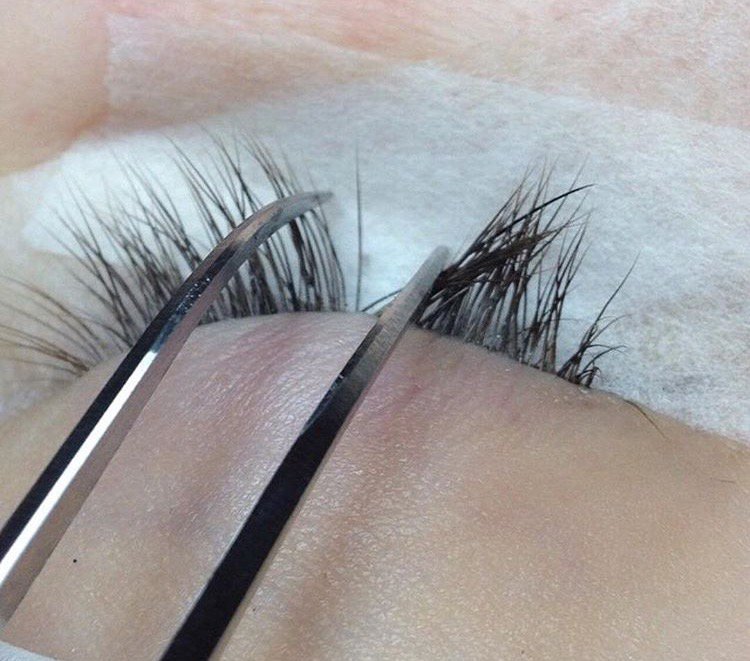
Classic lashing uses a one-to-one application, where a single extension is applied to one isolated natural lash. Because there is no fan to disguise errors, classic sets demand excellent isolation, direction, and attachment precision.
Common Diameters
-
0.12
-
0.15
-
0.18 (advanced artists only, on strong natural lashes)
Key Technical Points
-
Extension weight must always match the natural lash’s strength and growth phase
-
Directional errors are more visible than in volume sets
-
Attachments must be flush to prevent twisting and premature shedding
When Classic Is Appropriate
✔ Clients with dense, healthy natural lashes
✔ Clients wanting definition rather than fullness
✔ Clean, minimalist or mascara-style sets
Common Mistakes
-
Using thick diameters on weak or immature lashes
-
Expecting classic sets to fill gaps
-
Poor isolation causing stickies
Flat Lashes in Classic Sets (Ellipse Lashes)


Flat lashes (also known as ellipse lashes) are an excellent option for classic sets when used intentionally and correctly.
Why Flat Lashes Work Well for Classics
Flat lashes have a flattened, concave base, allowing them to sit more securely against the natural lash. This design creates:
-
A darker lash line
-
Better surface contact
-
Reduced weight compared to round fibers
Weight Comparison (Important for Lash Safety)
A 0.20 flat lash typically weighs similar to a 0.15 round classic lash.
This allows lash artists to:
-
Create bolder, darker classic sets
-
Maintain safe lash weight
-
Offer a noticeable enhancement without crossing into volume
When to Use Flat Lashes
✔ Clients who want darker classics without volume
✔ Clients with strong, healthy natural lashes
✔ Techs aiming for crisp, defined lash lines
✔ Clients who struggle to retain finer classic diameters
Technique Considerations
-
Isolation must be precise — flat lashes highlight direction issues
-
Ensure the flat side is placed flush to avoid rotation
-
Avoid using flat lashes to compensate for weak natural lashes
Flat lashes are a tool, not a shortcut — when used correctly, they elevate classic sets while preserving lash health.
Volume Lash Extensions (2D–6D)


Technique Overview
Volume lashing involves applying multiple ultra-fine extensions to a single natural lash, either hand-made or pre-made into fans. Proper volume work relies on even fan spread, narrow bases, and accurate weight calculation.
Common Diameters
-
0.05
-
0.06
-
0.07
Key Technical Points
-
Fans must be symmetrical with narrow, clean bases
-
Weight calculation is critical — multiple fine fibers should equal one classic in weight
-
Mapping and layering greatly affect retention and density
When Volume Is Appropriate
✔ Sparse or uneven lash lines
✔ Clients wanting fullness without heaviness
✔ Customisable soft-glam to bold-glam looks
Common Mistakes
-
Bulky fan bases
-
Overloading weak lashes
-
Poor placement causing tangling or closure
Mega Volume Lash Extensions (7D–16D+)


Technique Overview
Mega Volume is an advanced lashing technique requiring complete control over fan creation, weight distribution, and lash health assessment. Despite the density, mega volume should remain lightweight and flexible.
Common Diameters
-
0.02
-
0.03
-
0.04
Key Technical Points
-
Extremely narrow fan bases are essential
-
Shorter lengths are often required for safety
-
Lash health assessments are non-negotiable
-
Proper spacing prevents lash suffocation
When Mega Volume Is Appropriate
✔ Clients with strong, healthy natural lashes
✔ Advanced lash artists
✔ High-density, dark lash designs
Common Mistakes
-
Overloading fragile lashes
-
Bulky bases affecting retention
-
Confusing darkness with excessive length
Lash Weight & Safety Breakdown
| Style | Typical Diameter | Fan Size | Primary Focus |
|---|---|---|---|
| Classic | 0.12–0.18 | 1:1 | Lash strength matching |
| Flat Classic | 0.15–0.20 | 1:1 | Darker look, lighter weight |
| Volume | 0.05–0.07 | 2D–6D | Balanced fan weight |
| Mega Volume | 0.02–0.04 | 7D–16D+ | Ultra-light distribution |
Professional rule:
If the natural lash bends, twists, or sheds prematurely — the set is too heavy.
Set Design Over Density
Advanced lash artistry isn’t about how many lashes you can stack. It’s about:
-
Curl selection for eye shape
-
Length progression across layers
-
Consistent direction
-
Clean, secure attachment
A well-designed volume set will always outperform a poorly executed mega volume set in both retention and lash health.
Final Thoughts for Lash Artists
Each lashing method — Classic, Volume, and Mega Volume — requires different decision-making, diameters, and techniques. Mastery comes from understanding when and why to use each approach, not applying them interchangeably.
Healthy lashes build long-term clients.
Precision builds reputation.